
Choosing the right dance studio for your child can feel both exciting yet overwhelming. Whether your child is exploring dance as a fun after-school activity or has serious aspirations for a future in dance, it’s crucial to find a studio that meets your family’s unique needs. With so many options available, how do you make the right choice? It’s important to select a studio that not only fosters skill development but also nurtures a love for dance in a positive and supportive environment. Here are some tips to help guide your decision-making process, along with potential red flags to watch out for.
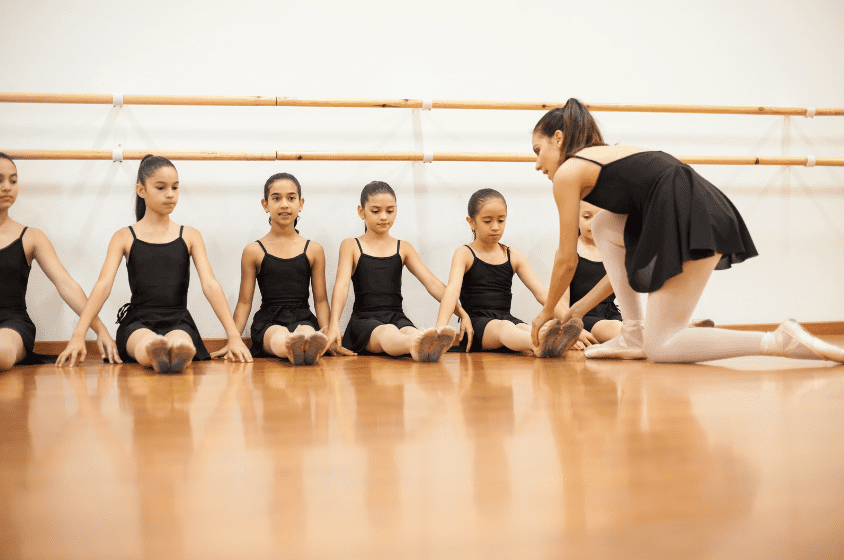
What to Look For in a Dance Studio
- Consider Your Child’s Dance Goals Before choosing a dance studio, take time to think about what your child hopes to gain from their dance experience. Are they looking for a collaborative environment where they can be part of larger productions, build friendships, and develop teamwork skills? Or are they more interested in mastering a specific style, like ballet, or exploring newer, trendier forms of dance? Perhaps they have a competitive spirit and prefer focusing on solo performances. Understanding whether your child thrives in group settings or prefers being the star of the show will help you choose a studio that aligns with their goals and interests.
- Qualified and Passionate Instructors: The quality of teaching can make all the difference in your child’s dance experience. Look for studios that hire instructors with strong professional backgrounds and experience working with children. The best teachers are those who not only know dance but can also connect with young dancers and motivate them in a positive and supportive way. You might want to observe a class or check out instructor bios online before making your decision.
- Class Structure and Curriculum: A well-rounded dance education involves learning technique, performance skills, and artistic expression. Look for a studio that offers a range of dance styles such as ballet, jazz, tap, hip-hop, and contemporary, as well as a curriculum that progresses logically from beginner to more advanced levels. Pay attention to whether classes are age-appropriate and if there’s a clear path for growth. Ask about the studio’s philosophy on balancing technique and creativity.
- Positive Learning Environment The atmosphere of the studio is crucial. Your child should feel welcomed, encouraged, and safe. Look for a studio that emphasizes teamwork, discipline, and having fun rather than one that fosters a cutthroat, competitive environment. Does the studio celebrate effort and improvement, or is the focus only on winning trophies? A positive environment will help your child develop not only as a dancer but also in terms of self-confidence and resilience.
- Strong Focus on Technique Over Competitions Competitions can be a wonderful way for young dancers to showcase their talents, but they should not be the primary focus of the studio. Prioritizing proper technique and artistic growth over collecting competition trophies ensures that your child builds a strong foundation and stays injury-free. Ask the studio about their approach to competitions. Studios that emphasize long-term growth over quick wins tend to produce better-rounded dancers.
Red Flags to Watch Out For

- Lack of Transparency One of the most significant red flags is when a studio lacks clear communication, whether it’s about pricing, teacher qualifications, or expectations regarding performances. If the studio is vague about policies, or if things seem overly complicated when it comes to tuition, costume fees, or additional costs, this could indicate poor management. Transparency is essential in creating a trusting relationship with parents.
- High Turnover of Instructors Consistency in teaching staff is vital for young dancers to progress. If you notice that the studio has a high turnover rate among instructors, this might indicate dissatisfaction among staff, poor management, or other issues. Your child needs continuity to build rapport with their teachers and grow in their dance abilities.
- Overemphasis on Competitions and Winning While competitions can be an exciting part of the dance experience, studios that focus too much on winning often compromise the quality of instruction. You may see this red flag if the studio has frequent competitions with minimal rehearsal time for non-competitive classes or if the emphasis seems to be more on flashy routines than on technique and growth. Overemphasis on competition can also lead to unnecessary pressure on young dancers and, in some cases, burnout.
- Inadequate Safety Practices Safety should always be a priority, especially for young children in physical activities like dance. If the studio lacks proper flooring (such as sprung floors that reduce impact and prevent injuries) or doesn’t teach correct warm-up and cool-down techniques, this could be a concern. Instructors should also be knowledgeable about age-appropriate training to avoid overworking young bodies.
Conclusion
Finding the right dance studio for your child requires a careful balance of researching, observing, and asking the right questions. By focusing on qualified instructors, a supportive environment, a strong technique-based curriculum, and being aware of red flags such as a lack of transparency or an overemphasis on competition, you can ensure that your child has a positive, fulfilling experience. Dance can offer a wonderful outlet for creativity, discipline, and physical fitness, and the right studio can make all the difference in helping your child flourish in these areas.